One of the questions I get more than just about anything else is how to choose the right fishing rod for a specific technique or species. Length, power, action, line choice. All of it matters, but not always in the way people think. Most frustration with rod selection comes from buying something that looks right on paper but never quite feels right on the water.
Over the years, guiding trips, fishing tournaments, and spending countless hours on Lake Erie across multiple species, I’ve learned that rod selection is less about chasing specs and more about understanding how a rod actually behaves. Small changes in length, power, or action can make a noticeable difference in efficiency, hookup ratio, and fish landed.
Instead of trying to crown a single “best” rod, this is a practical breakdown of how I think about rod selection and why certain setups work better than others. The goal is to simplify the process, offer real value, and help you make more confident decisions without getting buried in technical jargon.
ONE – Rod Length: Control Versus Leverage
Rod length matters more than most anglers realize, and not just for casting distance.
Shorter and longer rods each have specific advantages depending on how and where you fish.
Shorter Rods and Control
Shorter rods, generally in the 6’6” to 7’ range, excel when precision and control matter most.
They are often better for:
- Skipping baits under docks and overhangs
- Fishing in tight quarters
- Techniques where the rod tip works close to the water
When skipping baits, a rod that is too long can create problems. If the tip contacts the water or loads too abruptly, bird’s nests become far more likely. A slightly shorter rod paired with a fast action tends to load more smoothly and stay out of the water, making controlled skips easier and more repeatable.
This is also why some anglers prefer shorter rods for jerkbaits and close-quarters target fishing. Less interference means better accuracy and less fatigue.
Longer Rods and Leverage
Longer rods, typically 7’2” and up, shine in open water situations.
They provide:
- Increased casting distance due to higher tip speed
- Better line control when a lot of line is out
- More leverage on hooksets at distance
- Improved pressure during long fights
That leverage becomes critical when fishing deeper water, making long casts, or fighting fish that surge and jump aggressively. A longer rod helps take up line faster and maintain steady pressure. This is a major reason I lean toward longer rods for open water smallmouth and walleye fishing on Lake Erie.
Comfort still matters. Height, arm length, and personal mechanics all play a role. These are guidelines, not rules. If you can, pick a rod up and mimic the movements you will actually make on the water. If you keep hitting the floor, deck, or water, it is probably not the right tool for that job.
TWO – Power Versus Action (They Are Not the Same Thing)
This is one of the biggest areas of confusion in rod selection.
Power refers to how much force it takes to bend the rod. Light, medium, heavy, and so on.
Action refers to where the rod bends along the blank.
You can have two medium power rods that fish completely differently because their actions are different.
Power determines whether you can:
- Drive a hook home
- Control fish in cover
- Protect lighter line and hooks
Action determines:
- How quickly the rod loads
- How shock is absorbed
- How forgiving the rod is during the fight
For example, flipping in heavy cover requires power. A medium light rod simply cannot move fish or drive heavier gauge hooks. On the other hand, finesse techniques like drop shotting require enough flex to protect light hooks and leaders. Too much power there often leads to bent hooks, pulled hooks, or broken line.
THREE – Understanding Rod Action (Extra Fast Through Moderate)
Rod action plays a larger role than many anglers realize.
Extra fast action rods bend mostly in the tip. They are very responsive and very sensitive, but also the least forgiving. They excel with single hook techniques where immediate response matters.
Fast action rods still respond quickly but allow the load to move slightly deeper into the blank. This is one of the most versatile actions and one I rely on heavily across multiple species.
Moderate fast action rods provide a deeper bend while still recovering quickly. They are excellent for treble hook baits and techniques where you want forgiveness without feeling disconnected.
Moderate action rods bend deeply and load smoothly. They are very forgiving and excel at keeping fish pinned.
There is no true industry standard for these labels, which is why how a rod actually loads and recovers matters more than what is printed on it. Well designed blanks load predictably and recover cleanly. That consistency is where higher quality rods separate themselves.
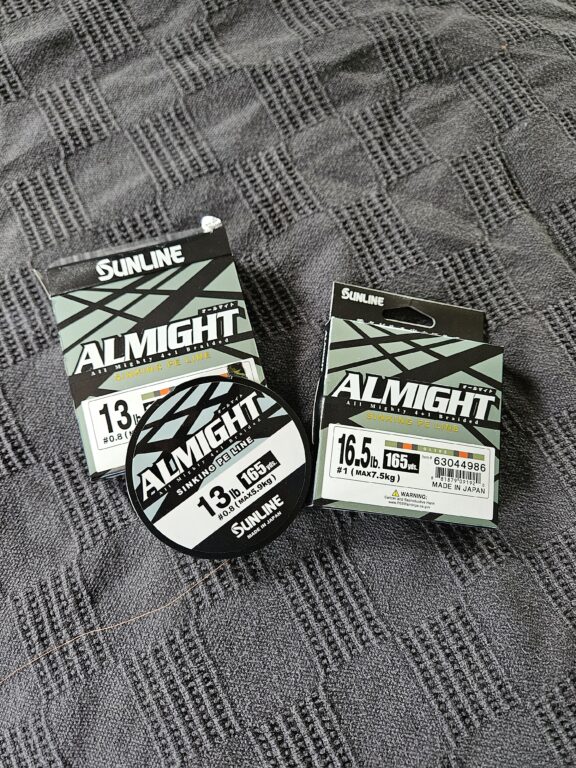
FOUR – Line Choice and Shock Management
Line choice and rod selection have to work together. This is an area where a lot of problems start.
Braid
Braid has no stretch, which makes it extremely sensitive and very efficient at driving hooks home. That also means the rod and drag must absorb all the shock.
I use braid on all of my spinning reels, typically 10 to 15 pound test with a fluorocarbon leader. Paired with medium light to medium heavy power rods, this setup casts extremely well and allows the rod and drag to protect the system.
On baitcasting gear, braid is more application specific for me, such as frogs and heavy cover fishing. In these cases, rod action becomes critical. A fast action usually provides just enough load to prevent failure while still allowing you to move fish immediately.
Fluorocarbon
Fluorocarbon has less stretch than monofilament, more stretch than braid, and is far less visible underwater. It sinks, making it a strong choice for bottom contact techniques and reaction baits.
Line memory can be an issue, which is why I prefer it more on baitcasting setups or as a leader material.
Monofilament
Monofilament has the most stretch of the three and is very forgiving.
That stretch helps with:
- Treble hook baits
- Topwater lures
- Fish that surge or jump aggressively
Monofilament also floats, which is why it still excels for certain topwater applications. The tradeoff is reduced sensitivity and larger diameter for the same strength.
FIVE – Species Matter More Than People Think
Fishing for multiple species has reinforced many of these lessons.
Perch and Walleye
With perch, I often use much of the same lighter gear I use for smallmouth, but hookset matters. Perch have very thin lips. Set too hard or pull too quickly and you will come back with nothing.
Walleye share many of those traits. With today’s highly sensitive rods, I’ve especially noticed with my Douglas rods, it is easy to feel the bite too quickly and react before the fish fully commits. Medium light to medium power rods with a fast action have proven to be the best balance for me in mitigating this.
Stream Trout and Steelhead
Traditional stream trout and steelhead fishing often calls for lighter rods with moderate to fast actions. These setups protect light leaders, absorb sudden surges, and maintain steady pressure in moving water. Forgiveness matters just as much as sensitivity.
Lake Trout
Lake trout fishing, especially when casting or jigging, has shown how transferable good rod fundamentals are. Medium light to medium heavy spinning setups with braid and fluorocarbon leaders have been extremely effective. The biggest adjustment is patience during the fight. Let the rod load and do the work.
BONUS – Hooks, Balance, and Fatigue
Single hooks and treble hooks behave very differently.
With treble hooks, I generally want more forgiveness. Moderate to moderate fast actions help keep fish pinned and absorb head shakes, especially with species that jump or surge unpredictably.
With single hooks, they often have a much higher landing rate. It sounds counterintuitive, but a single hook driven in properly tends to penetrate deeper and hold better than multiple. When paired with the right power and action, you can apply steady pressure without giving the fish as much opportunity to use the bait itself as leverage.
Balance matters too. A well balanced rod feels lighter than it is, recovers faster, and reduces fatigue over long days. When rod, line, hook, and bait all work together, fishing simply becomes easier. That is where well designed rods and quality baits, whether it is a finesse jig or something else from Doc’s Tackle, really shine.
Final Thoughts
There is no perfect fishing rod, but there is a better match for how you fish.
When you understand rod length, power, action, line choice, hooks, and species behavior, you stop guessing and start choosing with intention. That leads to better efficiency, more consistent hookups, and more fish landed.
If you are building or refining a rod lineup, it is worth slowing down and thinking through how each piece works together. A well matched setup simply makes fishing easier and more enjoyable.
If you would like to dive deeper into specific techniques or species, I am always happy to break things down further in another article.
Tight lines,
Captain Destin DeMarion
724-790-4232 (4BFB)
Big Fat Bass Guide Service
DestinDeMarion.com
Gear Discounts for Clients & Blog Readers:
Doc’s Tackle: Contact me directly for exclusive discounts on rods, reels, and terminal tackle.
Douglas Rods: Ask me about deep discounts on any rod in the lineup.
ShredFin Apparel: Use code “DEMARION15” at ShredFin.com
Amphibia Eyewear: 20% off with code “Destin” at amphibiaeyegear.com