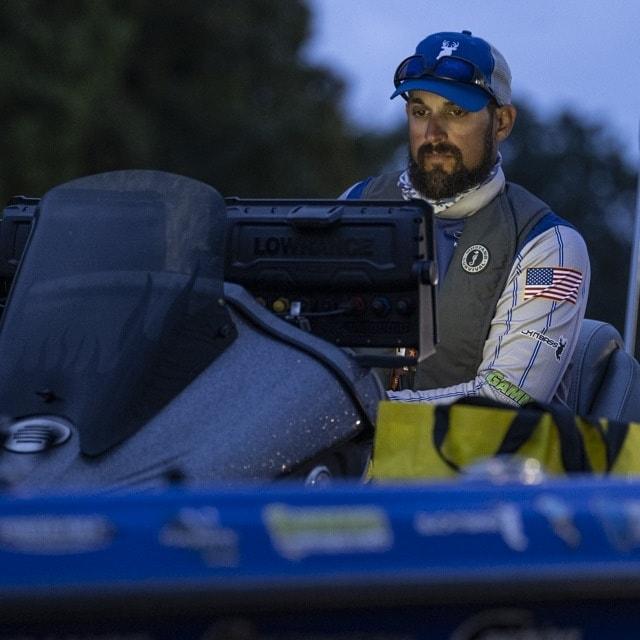
Fishing electronics have come a long way.
Many anglers reading this started fishing without GPS, mapping, or sonar at all. You learned by watching the water, reading conditions, and paying attention to what worked and what didn’t. Electronics were simple, if they existed at all.
Fast forward to today, and we’re in a very different place.
High-resolution mapping, side imaging, and forward-facing sonar are now common topics of conversation. For some anglers, especially those who grew up with technology and resources like YouTube, learning these tools comes quickly. For others, the pace of change has been harder to keep up with.
Neither approach is wrong. But the gap between what electronics can do and how confident anglers feel using them has never been wider.
Electronics Are Powerful, but They Can Create Frustration
I talk to a lot of anglers who have invested good money into electronics and still feel unsure when they’re on the water.
Screens look cluttered. Settings feel overwhelming. Instead of adding confidence, electronics sometimes introduce hesitation. When that happens, people either ignore their electronics altogether or stare at the screen instead of fishing.
If this sounds familiar, you’re not alone. This frustration shows up across all age groups and experience levels.
The good news is that most electronics issues come from a handful of common problems, and many of them are easier to address than people think.
Forward-Facing Sonar and the Noise Around It
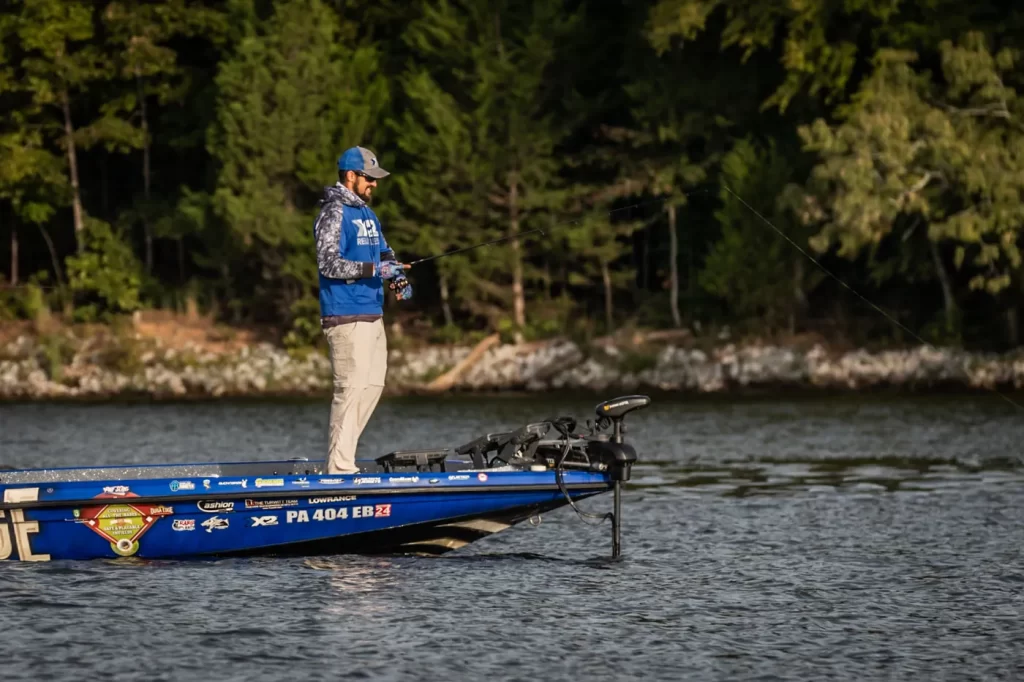
Forward-facing sonar has become one of the most talked-about topics in fishing. It’s impressive technology, and when used correctly, it can be a valuable tool.
It’s also created a lot of confusion.
Some anglers feel pressure to adopt it immediately. Others feel left behind or unsure how it fits into their style of fishing. Like any tool, its effectiveness depends on understanding when it adds value and when it doesn’t.
Forward-facing sonar doesn’t replace fundamentals. It adds another layer of information, and without context, that information can be misleading.
The Most Common Electronics Frustrations
Across different brands, boats, and bodies of water, the same issues come up again and again.
- My screen looks cluttered and busy
- I’m not sure what I’m actually looking at
- I change settings but nothing seems to improve
- I don’t trust what my electronics are telling me
That last one is the biggest. Once trust is gone, electronics stop being helpful.
The Biggest Mistake: Expecting Electronics to Make Decisions
Electronics don’t make decisions. They provide information.
Two anglers can look at the same screen and come away with completely different conclusions. The difference isn’t the unit or the technology. It’s interpretation.
Electronics are meant to support decision-making, not replace it. When they’re treated like a shortcut, frustration usually follows.
Simple Adjustments That Often Help Immediately
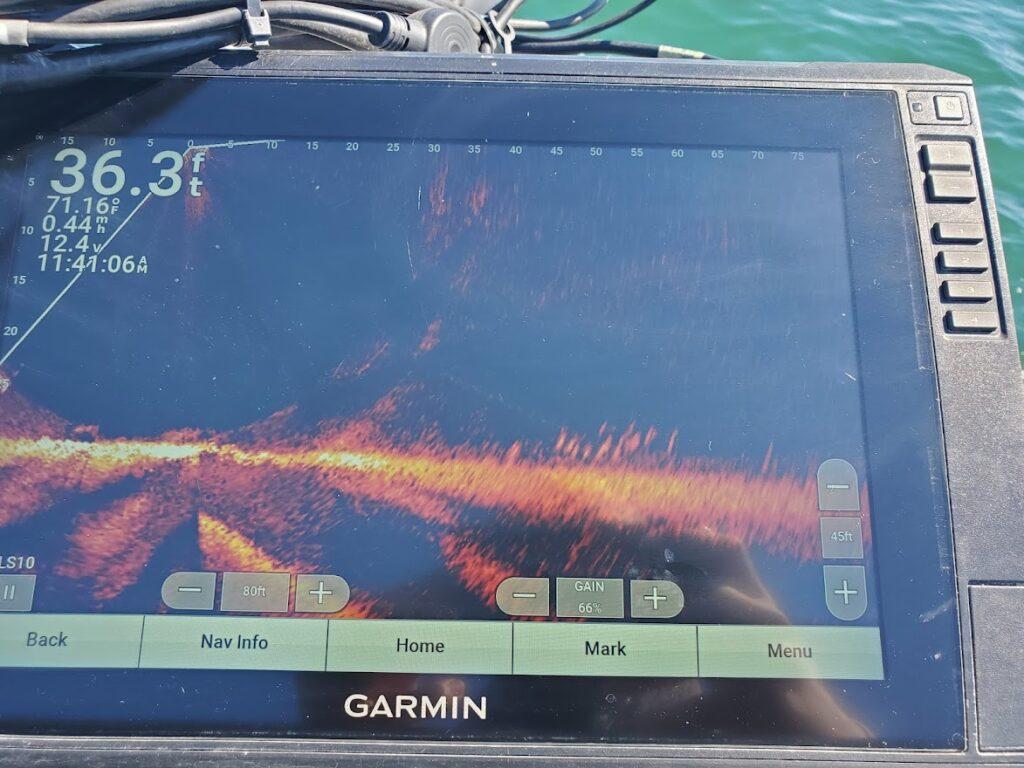
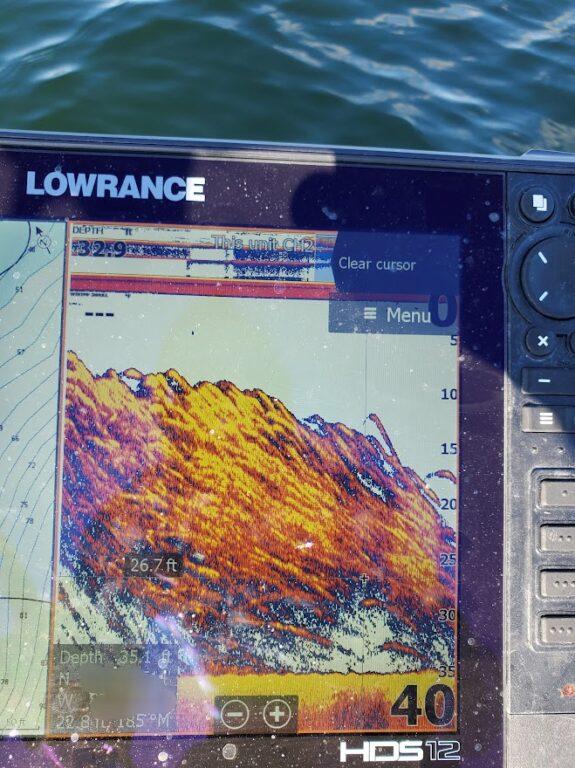
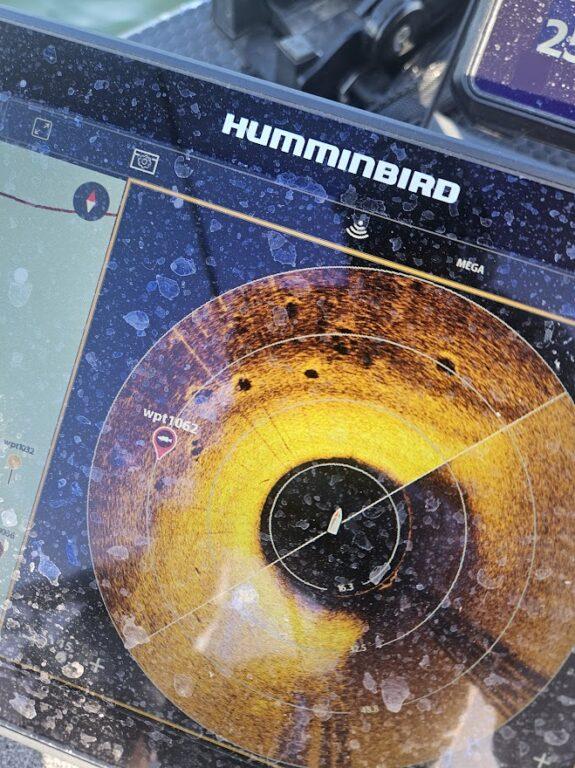
Before diving into anything complex, there are a few fundamentals that often make a noticeable difference.
Simplify what you’re viewing.
More information isn’t better if it isn’t useful. Turning off unnecessary layers can clean up a screen quickly.
Match settings to conditions.
Water depth, clarity, speed, and wind all matter. Presets are a starting point, not a solution.
Change one thing at a time.
Random adjustments make it hard to know what actually helped.
Stop chasing perfect images.
Perfect screens don’t catch fish. Useful screens help you fish more efficiently.
These small changes alone often relieve a lot of frustration.
Understanding the Learning Curve
One thing that’s often overlooked is how differently anglers arrive at electronics.
Some younger anglers have grown up with this technology and learned at an accelerated pace using online resources. Others spent decades fishing without screens and are now being asked to interpret complex data later in life.
That doesn’t mean one group is better than the other. It just means the learning curve looks different.
Electronics aren’t intuitive for everyone, and struggling with them doesn’t reflect intelligence or experience. It simply reflects how quickly this technology has evolved.
Learning Electronics Is About Thinking, Not Buttons
Anyone can learn which menu to open. Learning how to think with electronics takes more time.
It’s about understanding what information actually matters, when to adjust and when to move, how electronics support seasonal patterns, and how different species appear on the same screen.
This is the part of electronics that often gets missed, especially when people rely solely on tutorials or presets without real-world application.
A Bit of Context From My Side

I’ve spent countless hours on the water using and teaching fishing electronics, running and working with all three major platforms. I’ve also logged enough time mapping and fishing Pennsylvania waters of Lake Erie alone to accumulate more than 14,000 waypoints.
More importantly, I work with anglers every year who are frustrated, confused, or unsure if their electronics are set up or being used correctly. Many of them trailer their boats several hours specifically to get help dialing in their systems.
A very common reason people reach out is after purchasing a new boat or upgrading electronics. Everything is installed, but nothing quite feels right. Screens aren’t clear, settings don’t match how they fish, and confidence is missing.
What most anglers discover is that their electronics aren’t the problem. They just haven’t been set up or explained in a way that fits their boat, their water, and their style of fishing.
I don’t sell electronics or push gear choices. My role is to be honest, explain trade-offs, and help anglers get the most out of what they already own.
Why So Many Anglers Struggle Quietly
A lot of anglers assume they should already understand their electronics. Others don’t realize there are experienced, brand-agnostic resources available that aren’t trying to sell them something.
Once people understand that electronics can be taught the same way casting, boat control, or seasonal patterns can be taught, something changes. Confidence replaces frustration, and fishing becomes more enjoyable again.
The Takeaway
Electronics should make fishing simpler, not harder.
If your screens leave you second-guessing yourself, it doesn’t mean you bought the wrong unit. It usually means you haven’t been shown how to interpret, apply, or set them up correctly for how you fish.
With the right understanding and proper setup, electronics become a powerful tool rather than a source of stress.
A Quiet Final Thought
If electronics have been a sticking point, this is something I help anglers work through regularly. That might be walking through interpretation, dialing in settings, or setting up new electronics properly after a boat upgrade or purchase.
Some people just need a bit of guidance to connect the dots. Others benefit from hands-on time getting everything tuned correctly from the start. If that sounds like it would be useful, feel free to reach out and we can talk through whether it makes sense for you.
Tight lines,
Captain Destin DeMarion
724-790-4232 (4BFB)
Big Fat Bass Guide Service
DestinDeMarion.com
Gear Discounts for Clients & Blog Readers:
Doc’s Tackle: Contact me directly for exclusive discounts on rods, reels, and terminal tackle.
Douglas Rods: Ask me about deep discounts on any rod in the lineup.
ShredFin Apparel: Use code “DEMARION15” at ShredFin.com
Amphibia Eyewear: 20% off with code “Destin” at amphibiaeyegear.com