We’re officially into the heart of summer on Lake Erie, and after what felt like a constantly changing fishery through parts of July, things have settled in nicely.
Water temperatures are into the upper 70s, which is pretty normal for this time of year, and stability has probably been the biggest key lately. We’ve actually had what feels like quite a few stretches without the big winds and waves Erie is known for, and that has helped both the bass and walleye fishing become more consistent.
The smallmouth bite has improved. The walleye fishing continues to be killer. And if you like learning how to find and catch fish in deep water, this is a really fun time to be on Lake Erie.
August has also filled up incredibly well, and I’m very thankful. Praise the Lord!
September, on the other hand, has a bit more room right now. More on that below because if you’ve been waiting to get out this season, it’s one of your best remaining opportunities.
Lake Erie Summer Smallmouth Bass Fishing
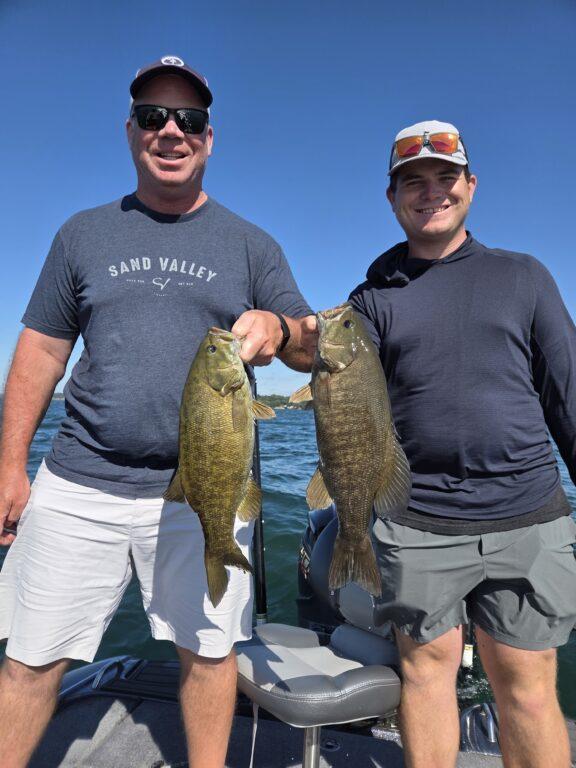
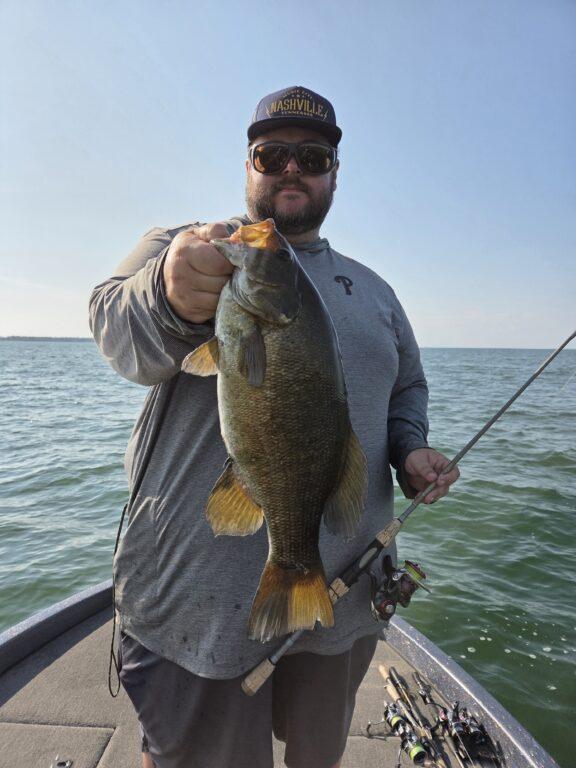
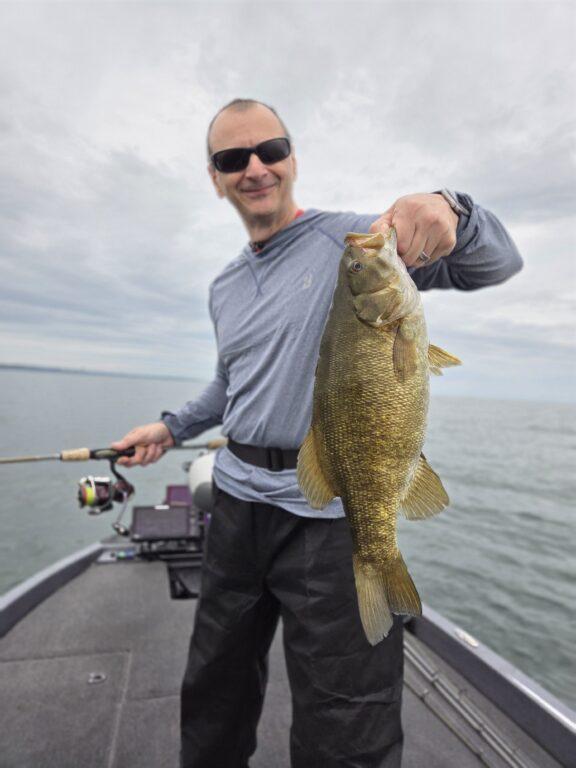
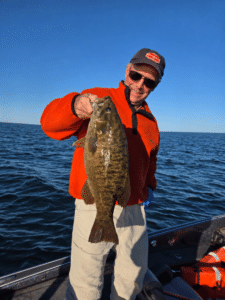
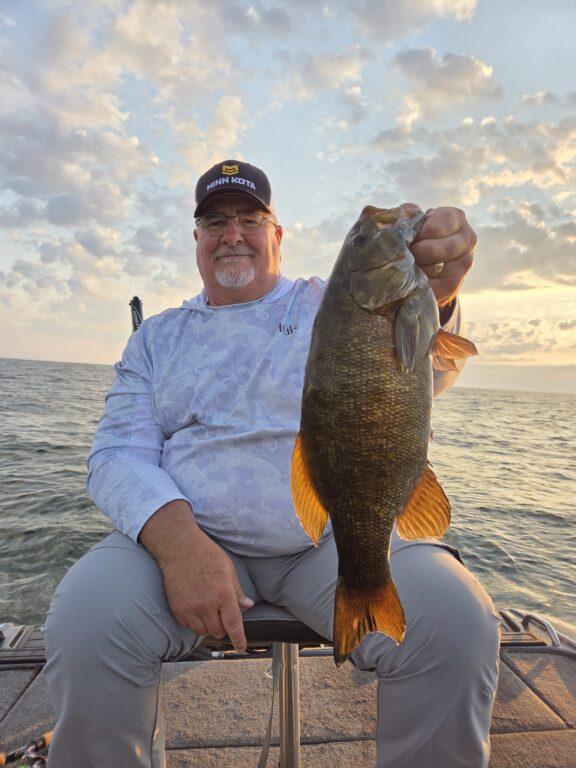
The smallmouth bite has definitely improved over the last couple of weeks.
We’re finding bass across a pretty wide range of depths, but 20 to 45 feet has been a good general rule of thumb. There are certainly fish both shallower and deeper than that, so don’t get married to a specific depth.
The encouraging part lately is that once we find them, the bass have been more concentrated in some relatively small areas.
That’s when summer smallmouth fishing gets fun.
You can find the right little piece of offshore structure, in the right depth, and suddenly have multiple quality fish around you. Lake Erie is a huge body of water, but sometimes the difference between getting bit and not getting bit comes down to a surprisingly small piece of bottom.
Finesse presentations continue to produce. Drop shots, Ned rigs, jighead minnows and similar natural presentations have been staples. There are always exceptions, but this is the time of year when being able to put a bait naturally in front of individual fish becomes extremely important.
Electronics obviously play a huge role in that.
Casting and Jigging for Summer Lake Erie Walleye
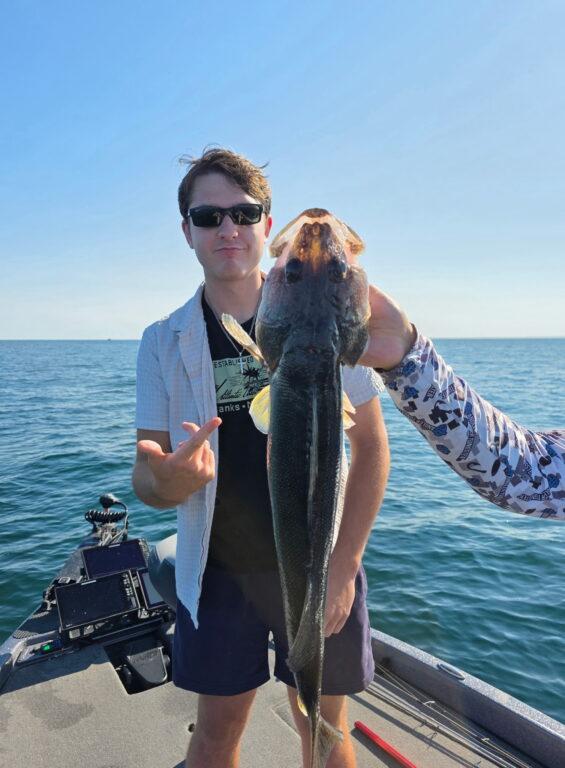
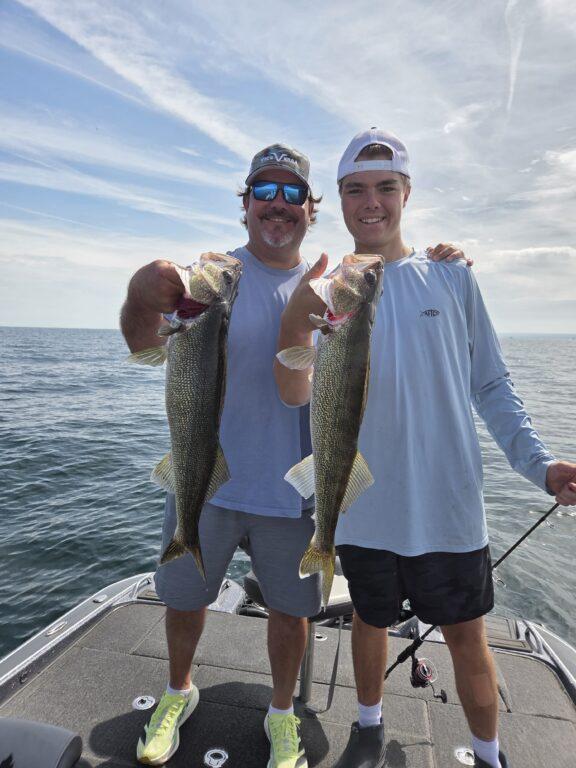
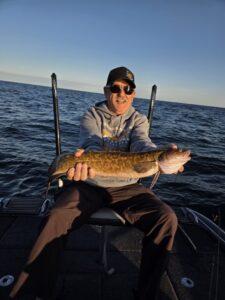
The walleye fishing has continued to be excellent, especially on our casting and jigging trips in deeper water.
We’ve been spending a lot of time in 60 to 100+ feet, particularly when looking for more consistent quality fish. There are absolutely walleyes shallower, but we’re also finding a lot more freshwater drum mixed in as we move toward those shallower depths.
Out deeper, we’ve been able to stay around better concentrations of walleyes and actively fish for them.
That’s an important distinction because we don’t troll for our walleyes. Casting and jigging keeps everyone in the boat fishing, and it’s a completely different way to experience Lake Erie’s incredible walleye fishery.
Jigs and plastics, jigs tipped with crawler, spoons, hair jigs and other reaction-style presentations have all put fish in the boat. Sometimes we’re fishing individual marks and other times we’re working through concentrations of fish until we figure out what they want that day.
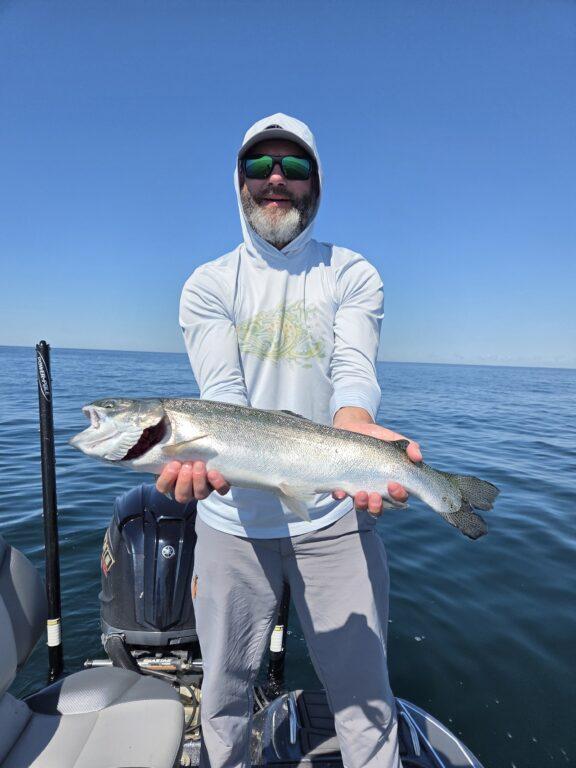
We even picked up a bonus steelhead recently while jigging for walleyes. You never quite know what’s going to eat your bait out there in the abyss.
That’s part of what makes casting and jigging for Lake Erie walleye so much fun. You’re actively hunting them, watching what they’re doing on the electronics, making a presentation to those fish and feeling the bite.
With the incredible walleye population we have in Lake Erie right now, it’s a fishery I’ve really enjoyed spending more time on and introducing more clients to.
The Deep Game
This is honestly one of the things I enjoy most about summer fishing.
Twenty, 40, 60, 80, even 100+ feet of water used to feel like an enormous amount of empty space.
Modern fishing electronics have completely changed that.
Instead of blindly fishing an area and hoping you’re around them, we can use mapping, side imaging, traditional sonar and forward-facing sonar to break that water down. You can identify structure, find bait, see individual fish, understand how they’re positioned and then figure out how to actually catch them.
Finding fish in deep water doesn’t have to be overwhelming anymore.
The equipment won’t catch them for you, but it can dramatically shorten the search and make you much more efficient with your time on the water.
From there, presentation becomes everything.
Whether we’re chasing trophy Lake Erie smallmouth or casting for walleyes, being able to understand what you’re seeing and then naturally put a bait in front of those fish is a huge part of the game.
I’ve spent countless hours doing exactly that with Garmin, Lowrance and Humminbird electronics, and I’m still learning every time I’m on the water.
That’s one of the reasons I’ve really enjoyed doing more electronics instruction trips this year.
Lake Erie Electronics Instruction Trips
These trips are a little different from a normal guide trip.
We jump into your boat with your electronics and work through your setup together.
We’ll get things dialed in, help you understand what you’re actually seeing, work through mapping, traditional sonar, side imaging and forward-facing sonar, and then apply it on the water.
There is a big difference between owning good electronics and being confident using them.
My goal is to shorten that learning curve.
Instead of spending the next year trying to piece everything together through YouTube videos and trial and error, we can spend a few hours on the water working specifically with your boat, your units and the type of fishing you actually do.
That might mean learning how to find offshore structure with side imaging, understanding what fish actually look like on sonar, getting more out of LiveScope, ActiveTarget or MEGA Live, or simply learning how all of those tools work together instead of staring at five different screens.
Late summer is a great time for an electronics trip because the deep-water bass and walleye bite gives us plenty of opportunities to put everything into practice.
The goal isn’t to just show you where my fish are. It’s to help you become better at finding your own.
September Lake Erie Fishing
August is nearly booked, and I’m incredibly thankful for that.
September currently offers considerably more flexibility on the schedule and is a great month to continue chasing both Lake Erie bass and walleye.
Early in the month, we’re often still fishing many of the same summer patterns. As the nights get longer and water temperatures slowly begin coming down, we start seeing the first pieces of the fall fishery come together.
It doesn’t happen overnight. September is very much a transition month and can certainly have its ups and downs, but it’s when the wheels start turning toward the fall bite.
Bass and walleye are both in play. Deep-water patterns can continue producing while fish also begin showing up shallower at times as conditions change.
If you’ve wanted to get out this season and haven’t made it happen yet, September is a great opportunity. It’s especially worth considering if you want to fish before the colder weather of October and November arrives.
And right now, it’s where I have the most room to get you on the calendar.
Then Comes Lake Erie’s Fall Trophy Season
October and November are a different animal.
This is when many of the hardcore anglers come back.
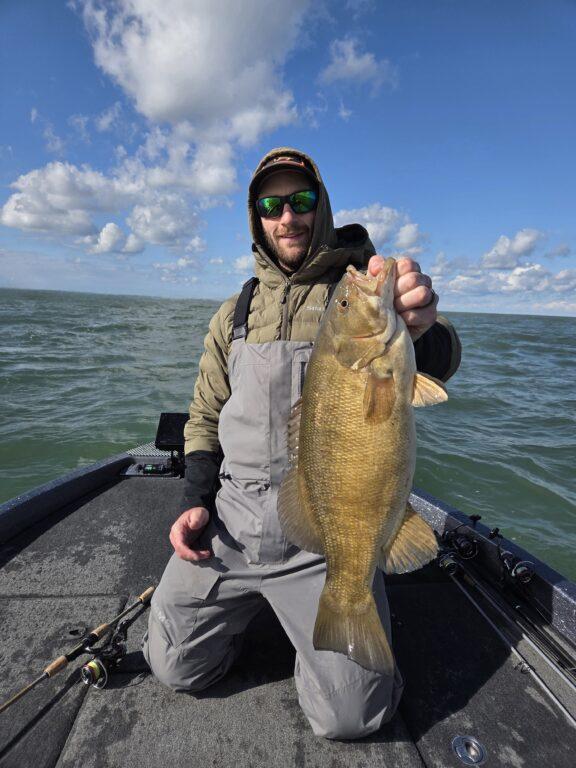
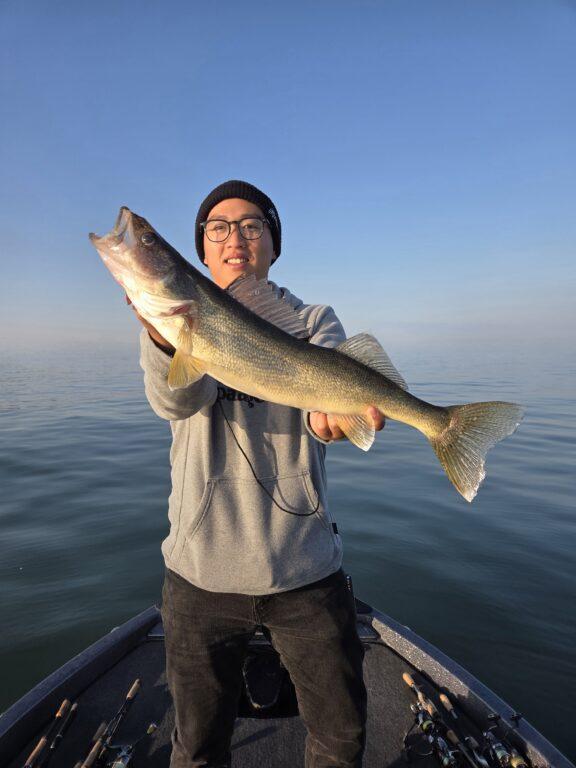
Cooling water begins concentrating fish and putting the feed bag on. Trophy smallmouth opportunities ramp up, big walleyes become a major focus with the Fall Brawl underway, and eventually lake trout begin moving shallower from their deep summer water and grouping up heavily as well.
For smallmouth anglers, this is the time of year when one bite can be a special fish.
For walleye anglers, October and November bring legitimate opportunities at some of the biggest fish in Lake Erie. The Fall Brawl adds another layer to it, but you certainly don’t have to be fishing the tournament to appreciate what the fall walleye fishery can produce.
Then there are the lake trout.
Late Fall Lake Trout Jigging
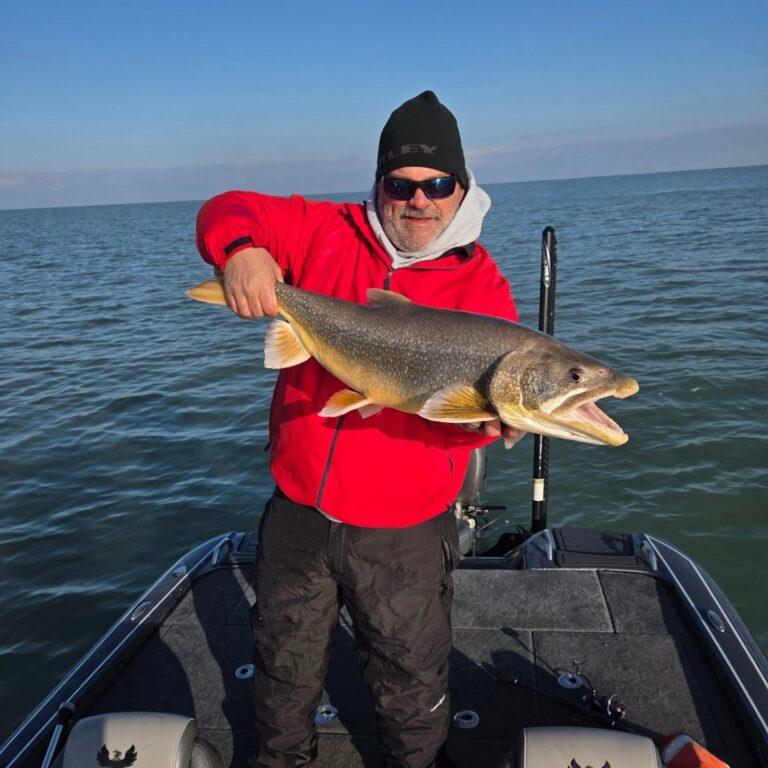
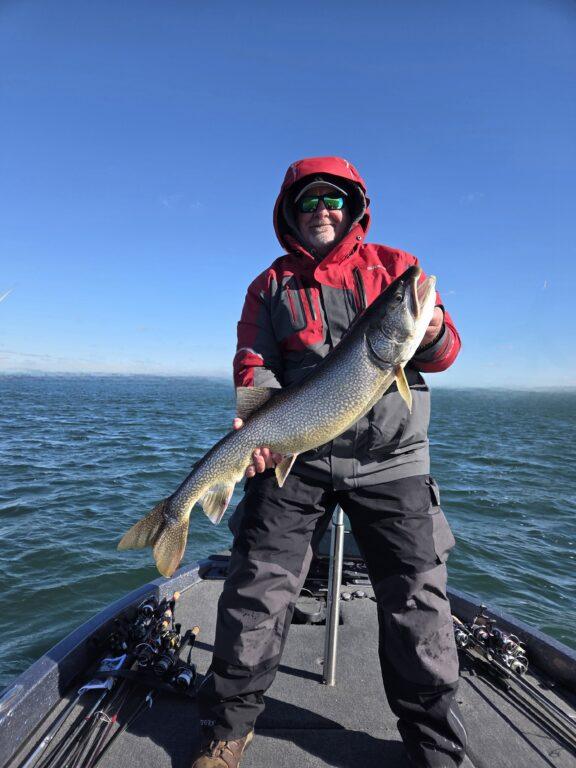
The Lake Erie lake trout fishery is one of the things that helps extend our guide season well beyond when many anglers have already put their boats away.
As the water cools later in the fall, lake trout move shallower from their deepest summer water and can group up heavily. When you find them wadded up and get to drop a jig into them, it can be an absolute blast.
They’re aggressive, they get big, and they pull ridiculously hard.
It’s also another fishery where electronics and vertical jigging work hand in hand. Finding those groups of fish and watching them interact with a jig underneath the boat is a really fun way to fish.
We’ll generally keep chasing lake trout into late November and potentially around the beginning of December when Erie allows us to.
Fall dates typically fill very quickly, and there aren’t many October dates remaining already.
Remaining 2026 Lake Erie Guide Dates
Here’s what I currently have available:
August: 14, 19, 24, 27–28
September: 2–4, 7–12, 14–18, 28–30
October: 1, 12, 15
November: 3, 13–14, 17–18, 23–25, 28
Don’t see the exact date you need? Reach out anyway. There are a few days where I may be able to squeeze in a half-day trip around another booking or commitment.
For the later November dates, we’ll also have to work with what Lake Erie gives us. Weather becomes increasingly unpredictable that time of year. If conditions don’t cooperate and we can’t safely make a trip happen, we can look at another available date or push the trip into spring.
Looking Ahead to Spring Lake Erie Fishing
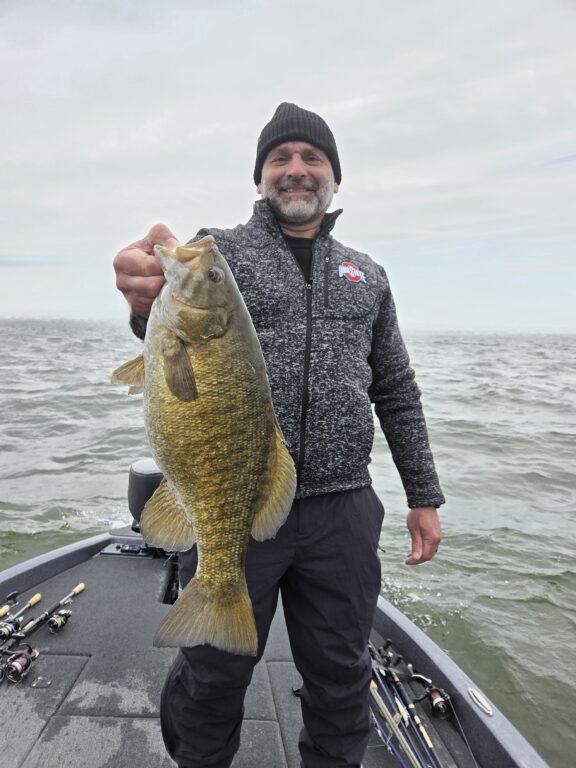
We’re already booking spring trips as well.
Much like fall, spring attracts a lot of serious smallmouth anglers, and some of the prime dates are already being spoken for.
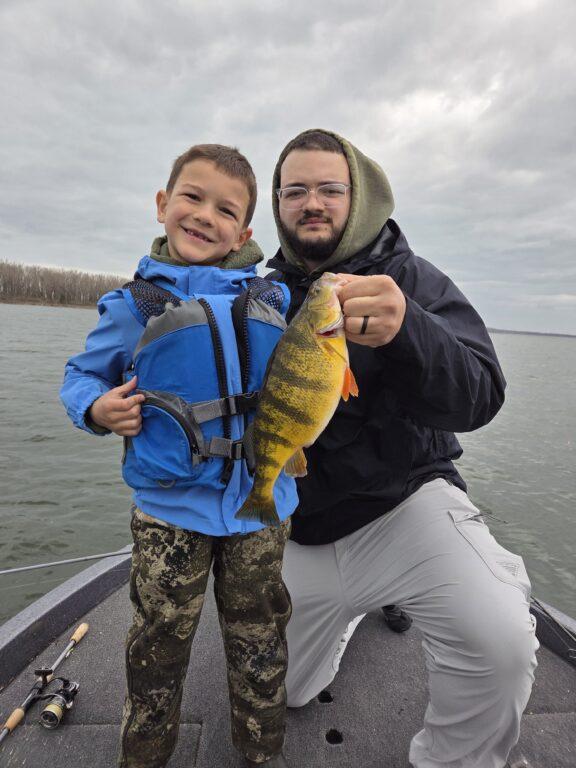
And don’t forget about jumbo perch.
Our season generally kicks off in March and early April chasing ice-out Lake Erie yellow perch before the smallmouth season really gets rolling. It’s a fun way to knock the rust off, put some great-eating fish in the cooler and officially get another season underway.
For right now, though, there’s a lot of summer fishing left.
The water has stabilized. The bass bite has improved. The walleyes continue to chew. And we’re into one of the best times of the year to really work on your deep-water game.
If you want to chase trophy smallmouth, actively cast and jig for Lake Erie walleye, or finally learn how to get more out of the electronics already sitting on your boat, give me a call or send me a message.
Tight lines,
Captain Destin DeMarion
724-790-4232 (4BFB)
Big Fat Bass Guide Service
DestinDeMarion.com
Gear Discounts for Clients & Blog Readers:
Doc’s Tackle: Contact me directly for exclusive discounts on rods, reels, and terminal tackle.
Douglas Rods: Ask me about deep discounts on any rod in the lineup.
Angler Tungsten: Use code “DD20” at AnglerTungstenCo.com
ShredFin Apparel: Use code “DEMARION15” at ShredFin.com
Amphibia Eyewear: 20% off with code “Destin” at amphibiaeyegear.com
Frequently Asked Questions About Lake Erie Fishing in Pennsylvania
What depth are Lake Erie smallmouth bass in Pennsylvania during August?
On the Pennsylvania waters of Lake Erie, 20 to 45 feet is a good general range for smallmouth bass during August. There are always fish shallower and deeper, so don’t get married to a specific depth. Offshore rock, subtle contour changes, baitfish and other structure become increasingly important. Once you find the right combination, summer smallmouth can be concentrated into surprisingly small areas.
What depth are Lake Erie walleye in Pennsylvania during the summer?
In Pennsylvania waters, summer Lake Erie walleye can be found across a wide range of depths, but we’re currently finding some of our more consistent quality fish in approximately 60 to 100+ feet of water. There are still walleyes shallower, but those fish can move considerably with changing wind, water temperatures and bait. The deeper water can provide more stable conditions during the heart of summer.
Can you catch Lake Erie walleye by casting and jigging in Pennsylvania?
Absolutely. Casting and jigging for Lake Erie walleye can be extremely effective, and it’s how we target them on our guide trips out of Erie, PA. Depending on conditions, jigs and plastics, crawler-tipped jigs, spoons, hair jigs and other reaction presentations can all produce. Instead of trolling, we’re actively using electronics to find fish, making presentations to them and feeling the bite.
When is the best time to fish for walleye in Lake Erie, Pennsylvania?
Pennsylvania’s Lake Erie walleye fishery really gets going during the summer as migrating fish move into our portion of the lake. July through September can provide excellent numbers and quality, including opportunities to actively cast and jig for them. As the lake cools in October and November, the focus increasingly shifts toward trophy walleye and the Fall Brawl.
What is summer smallmouth bass fishing like on Lake Erie near Erie, PA?
Summer smallmouth fishing near Erie becomes primarily an offshore game. Many quality bass move onto deeper rock, reefs and subtle structure where electronics become increasingly important. Finesse techniques such as drop shots, Ned rigs and jighead minnows are consistent producers. Summer is also a great time to learn how to use electronics to locate small groups of bass that might otherwise be easy to overlook.
Can you jig for lake trout on Lake Erie?
Yes. Jigging for Lake Erie lake trout is one of our favorite late-fall fisheries in Pennsylvania. As the water cools, lake trout begin moving shallower from their deep summer water and can group together heavily. Once those fish get concentrated, vertical jigging can be extremely effective. They get big, fight incredibly hard and provide another great opportunity to fish Lake Erie into November and potentially early December when weather allows.
Do you offer fishing electronics instruction in Erie, PA?
Yes. Our electronics instruction trips are done from your boat using your own Garmin, Lowrance or Humminbird electronics. We can cover mapping, traditional sonar, side imaging and forward-facing sonar such as LiveScope, ActiveTarget or MEGA Live. More importantly, we work on interpreting what you’re seeing and using that information to efficiently find bass, walleye and other fish in Lake Erie’s deep water.
When should I book a Lake Erie fishing guide in Erie, PA?
If you have specific dates in mind, booking early is always best. Prime spring smallmouth and fall trophy dates can fill well in advance. Summer offers excellent opportunities for both smallmouth bass and casting or jigging for walleye, while late fall adds trophy walleye and lake trout jigging. We also offer seasonal yellow perch trips and electronics instruction. If your preferred date isn’t listed, reach out anyway, as a half-day trip may occasionally fit around another booking.